


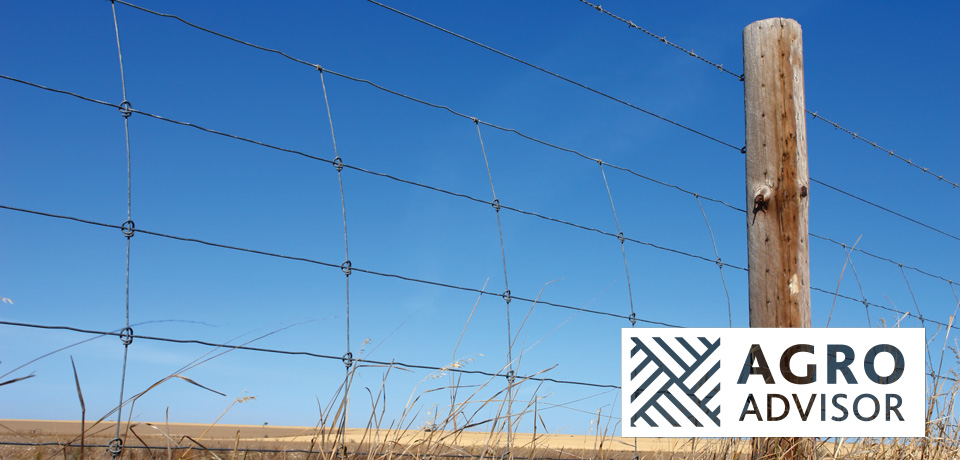
Fencing is not an enjoyable task – it takes a lot of time and sweat equity. Yet fencing is a necessity for livestock management and, in some instances, crop protection. Fencing is generally available in three variations to help keep your animals in and other animals out.
Wire
Wire fences are usually built using three or four wires stretched between wooden fence posts. There is the option to use smooth wire or barbed, but also the choice to electrify the wire using conventional or solar power to contain livestock like cattle. High-tensile wire is available in different strengths, but provides higher elasticity and breaking strength to prevent damage by livestock, falling objects and temperature changes.
Woven wire
Woven wire is defined by having both horizontal and vertical lines connected by knots where they intersect. It can effectively contain pigs, goats, sheep and more. ToughStrand Farm and Field Fence uses a hinged knot and is designed for corrals and pastures, while its Fixed Knot Game and Cattle Fence uses continuous vertical strands for greater strength. Special horse fencing uses smooth knots that won’t cut animals rubbing against it while preventing horses’ hooves from stepping through the fence. Woven-wire fencing often lasts longer than other wire fences.
Welded wire
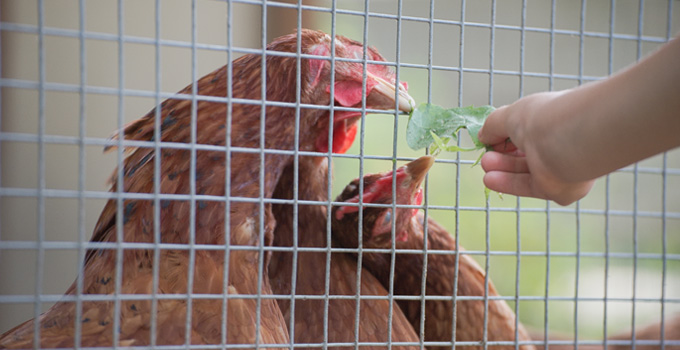
Welded fence is best suited for uses around your yard. It’s a lightweight, durable barrier available in different variations, such as garden, lawn and utility fencing. These can be used for pet enclosures, tree guards and garden protection, keeping the smallest of animals away from plants thanks to variable spacing.
All fencing will need to be replaced eventually; however, the right fence installed properly can last up to 25 years with minimal maintenance. Ask your local Co-op Home and Agro Centre about the different types, heights and grades of fencing available that would be best suited to your needs.