


The long prairie winter can leave your fences — and pastures — worse for wear, which is why regular maintenance is so important.
If you’re repairing or upgrading fencing on your farm, consider these tips for effectively managing your animals and land.
T-posts
T-posts provide a low-cost, easy-to-install solution for temporary farm fencing.
A simple setup and takedown process makes this one of the most versatile options available for keeping livestock in and predators out of a specific area.
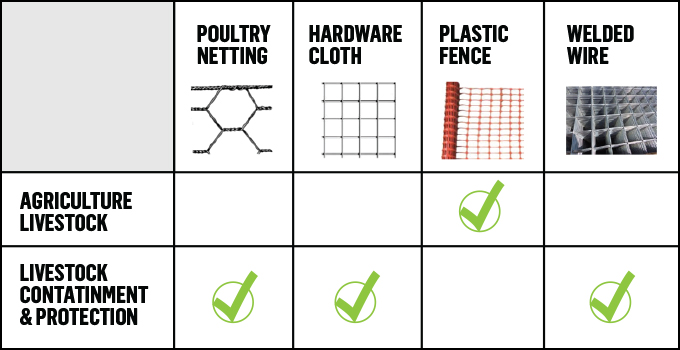
The following chart identifies the most suitable fencing material for your use:
Barbed wire
A barbed wire fence is used in situations where livestock require greater control.
Although it’s more difficult to handle, barbed wire is an effective way to prevent unwanted animals from entering newly planted fields and other areas of the farm where they might cause serious damage.
Animal owners should note that, while traditional four-strand barbed wire fencing provides good control of cattle, it can injure other animals, including horses.
Electric
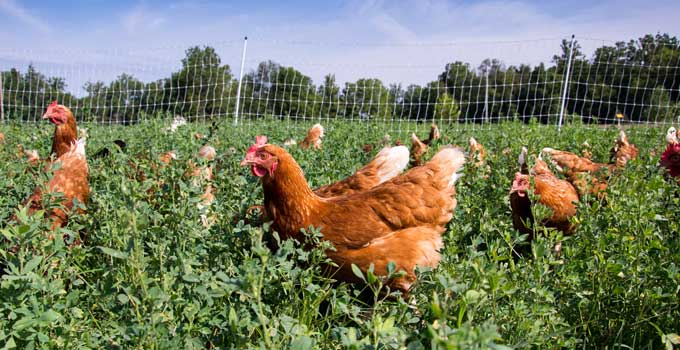
Electric fencing is good for establishing a pasture rotation program on smaller acreages. It’s lightweight, portable and easy to set up or dismantle.
You’ll also find it to be a convenient and effective choice for remote areas or situations where you may only need power for shorter period of time.
Animals also benefit from electric fencing, which is easier for them to see. This is an important consideration when fencing is moved periodically to new locations where livestock are not used to it.
Across Western Canada, Co-op provides a complete line-up of temporary fencing materials and solutions. Visit your local Co-op Agro or Home Centre to learn more.