


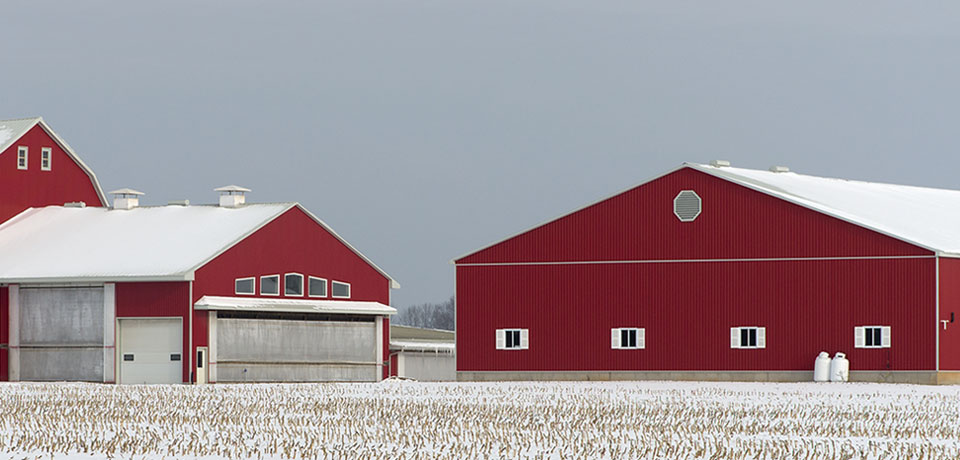
Across Western Canada, temperatures regularly drop below -20°C in winter. For farm animals sensitive to the cold, you need a reliable heat source to keep them safe.
If you run an operation that doesn’t already have a natural gas heating system, propane is a preferred choice of fuel with its convenience and affordability. Consistent heat flow from a propane-powered system will protect animals from cold weather, which is especially important to temperature-sensitive animals, such as pigs, chickens and newborns.
In-floor heating, brooders, spot heaters, water heaters and more can be powered with propane. Optimal temperatures not only ensure an animal’s wellbeing, but it can also provide a healthy start to life as newborns benefit most from temperature control. Also, equestrians will appreciate a comfortably warm tack space with a propane-powered heating system to keep leather from freezing and getting stiff, making winter riding more enjoyable.
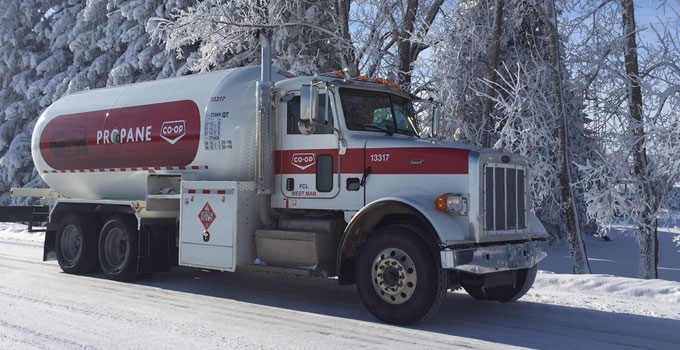
Why choose propane?
- It’s clean burning, reducing maintenance costs of equipment in comparison to traditional fuels.
- It’s considered a green fuel, emitting significantly less greenhouse gas emissions, with a lower carbon content than other fuels.
- It’s non-toxic, so it is stored as a liquid and vapourizes if leaked, dissipating into the air. This can reduce your insurance rates.
Planning for success
Implementing a propane-powered heating system in your barn offers clear benefits, but it’s important that you plan well to ensure success.
- Tank storage is crucial. Your Co-op Fuel Team member can advise on what size of bulk storage tank you should have installed to meet the requirements of the space.
- Tank monitors give you peace of mind that your barn will be heated properly, no matter the time of day. Satellite monitors can alert both you and your supplier to current inventory levels, and trigger a propane delivery when levels drop below 30 per cent.
- Proper ventilation will help remove toxic air and moisture from the facility that can harm your livestock. If you are unsure of the requirements, speak to your local governing body to find out what is needed for your facility.
- Safety is paramount – make sure your barn is clean, dry and at an optimal temperature for livestock to keep health issues to a minimum and unforeseen costs at bay.
Contact your local Co-op Fuel Team member to learn more about what propane-powered heating system will work best for your herd.