


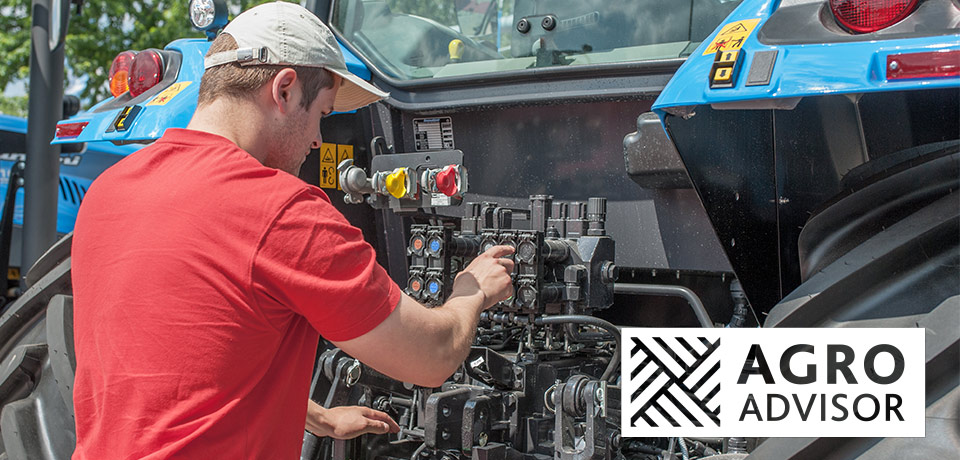
There’s little rest in farming.
As one season ends, your attention quickly turns to the next one. In the fall, that means properly winterizing your equipment.
After all, a little work today can help you save a lot of time tomorrow. Follow these tips this fall and you can end your harvest on a good note and ensure you hit the ground running next spring.
Change oil and oil filters
During the summer, your equipment’s oil is put to the test under severe operating conditions, so monitor all engine oils, transmission hydraulic fluids and lubrication points at the end of the season.
Moisture can accumulate from the environment and condensation can build up from oil reservoirs that have not been topped up. The oil itself can become contaminated, which affects its lifespan. Leaving contaminated oil in your equipment over the winter can lead to performance problems and corrosion, resulting in costly repairs in the future.
Protect your equipment by changing oil at recommended intervals, preferably before being put into storage.
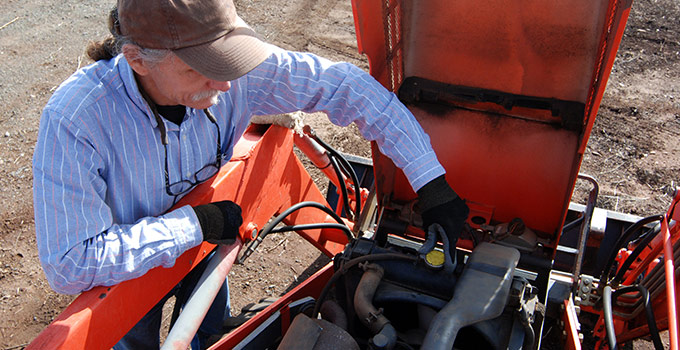
Fill or top up fuel tanks
Follow a few simple preventative measures to maintain fuel quality and the dependability of your equipment:
- Fill fuel tanks before storage to reduce condensation accumulation and damage to the diesel injector system. By filling with Co-op Premium Diesel, you can expect exceptional low-temperature starting and smooth engine operation next season.
- For equipment that is used during the fall and into the cold winter months, use Co-op Premium Diesel Winter Blend, which is designed to promote optimal engine combustion and improve vehicle drivability, all while protecting your equipment.
- Prevent damage caused from freezing by replacing fuel filters that may have collected water.
Repair and clean
Ensure that any damage that has occurred during the year is repaired so that the situation does not worsen throughout the winter. Inspecting the equipment before storage will also give you time to fix any issues before the next season.
Clean equipment by removing all seed and plant material from drills, planters, air seeders, tractors and combines, which will reduce rusting and prevent rodents and other pests from damaging electrical wiring. Using compressed air or a pressure washer are great ways to clean caked-on debris and hard-to-reach places. When washing, use moderate pressure and mild soap and avoid direct contact with seals and electrical components. Use compressed air after washing to help dry surfaces.
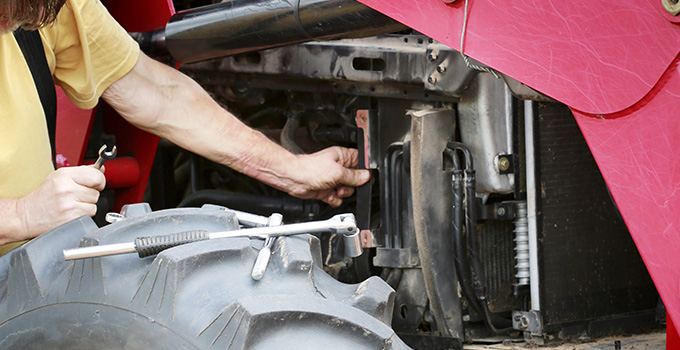
Batteries
There is nothing worse than attempting to start your vehicle and finding a dead battery. You can avoid this situation by conducting some basic maintenance on your batteries:
- Clean battery tops/terminals and fully charge your battery before putting it away for the season. A battery that is not charged will freeze.
- You should check the state of charge every 60 to 90 days and give batteries a top-up charge for those that fall below 12.4 volts (75-per-cent charged). Do not leave batteries on a trickle charger.
- Leave your battery unhooked while your equipment sits for the winter to avoid parasitic draws that discharge batteries over time.
- Store batteries upright and do not stack them on top of each other. Be sure to test and charge as necessary before placing batteries back into service next spring.
Following these preventative measures will help your equipment sit over winter and start smoothly come next year.

(Information from tractorlife.com was used in the preparation of this article.)