


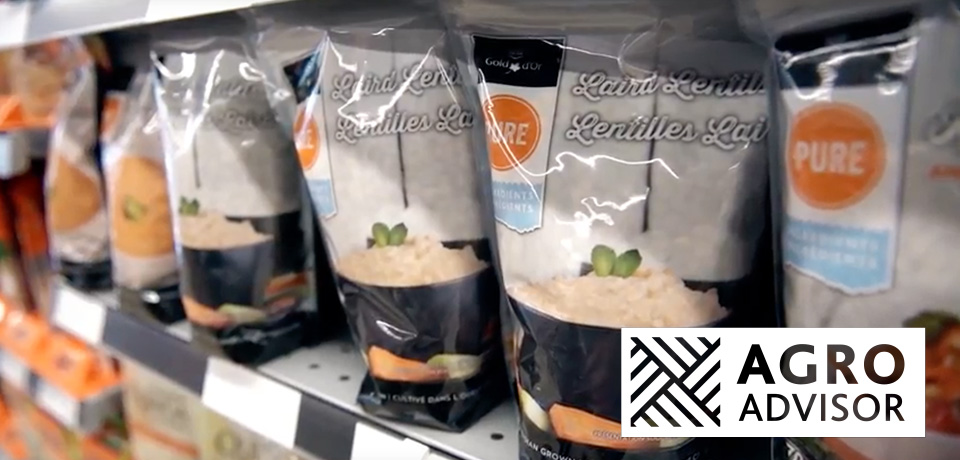
Saskatchewan has long been known as the breadbasket of Canada, but today it’s that and a whole lot more.
While we still have wheat, barley and all the other grains, Saskatchewan farmers and ranchers are providing people throughout the province — and the world — with a greater selection of crops and products than ever before.
To do it, they’re adopting sustainable, state-of-the-art technologies and practices, which is why October has been designated Agriculture Month in Saskatchewan.
Celebrating our producers
Every year, the month of October is dedicated to Saskatchewan producers and agribusinesses. In 2016, Co-op is joining the festivities by letting more people in on what might be the province’s best-kept secret.
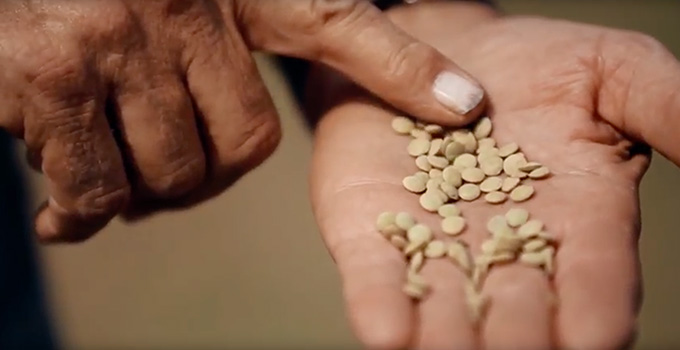
Not everyone knows that Saskatchewan growers seeded more than five million acres of lentils this spring. Or, that with a diverse crop rotation, these farmers will benefit from the nitrogen-fixing powers of pulse crops, which return nutrients to the soil and reduce the need for fertilizer in the future.
That’s why Co-op is hosting in-store visits with farmers at Co-op Food Stores in Saskatoon, Regina, Swift Current, Moose Jaw and North Battleford this month, where producers will share information about the benefits pulse crops bring to the Prairies.
“Saskatchewan farmers and ranchers have an amazing story to tell and we’re proud to help them share it,” said Kelly Herdin, Food Marketing Manager with Federated Co-operatives Limited.
“Not everyone has a direct connection to the farm. By encouraging dialogue between urban and rural communities, we can promote agricultural awareness and introduce more people to the exciting products coming from their own province.”
Truly local
With agro centres and food stores, Co-op supports western Canadian farmers from the time the seed hits the soil to when it lands on grocery store shelves.
Co-op Food Stores regularly showcase thousands of local products, including grains and pulses, as well as beef, pork, dairy and poultry items. There are also a host of locally grown vegetables, including broccoli and kale, and new twists on old standards, including cold-pressed canola oil.
For more information about the local products available at your Co-op Food Store, see food.crs.