


Farmers are quite used to watching global grain and oilseed markets and implementing a risk management plan to protect their operation’s revenue. However, risk management plans on the input-side of the accounting ledger are rarer.
Fertilizer represents 40 to 60 per cent of crop input costs and has a significant impact on profitability. Macronutrient fertilizers (nitrogen, phosphorus, potassium and sulphur) are global commodities, so growers need to understand the factors affecting fertilizer supply and demand to develop and implement an effective risk management plan.
Watching the markets
To get an idea of where fertilizer prices may be heading, growers should consider commodity prices and futures markets, as well as energy and shipping costs.
- Grain and oilseed commodity prices have a direct effect on demand. Fertilizer prices respond to commodity prices, although there is typically a lag. In particular, U.S. corn prices are a major influence because of the large amount of fertilizer used on the crop.
- Natural gas is a key input cost in the production of nitrogen fertilizers, representing about 75 per cent of the cost to produce anhydrous ammonia and 60 per cent of the cost to produce urea. Although the Chinese nitrogen fertilizer industry uses coal as its primary energy feedstock, natural gas prices and nitrogen fertilizer prices are still strongly correlated.
- As fertilizer is a bulky commodity, freight costs influence local fertilizer pricing. Production facilities located in Western Canada compete against the cost of imported products, so the supply/demand dynamics that affect the cost of freight (ocean, rail and truck) have an impact on local fertilizer prices.
On-farm storage
Traditionally, fertilizer demand — and prices — peak at the start of the growing season and again at the start of winter, meaning growers see the best prices in the late summer and fall.
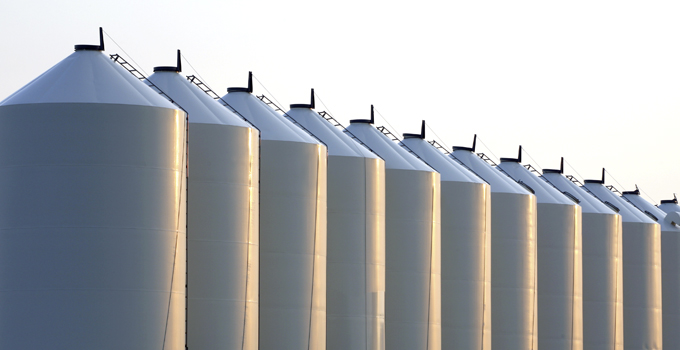
Growers can take advantage of this seasonality with expanded on-farm storage. By buying early, growers are also protected from shortages during the next growing season.
If growers can’t store inputs on-farm, they may be able to lock-in prices for spring delivery months in advance, either with cash or credit.
There may be tax benefits to pre-purchasing fertilizers in years of higher profitability. However, in other instances, farmers may benefit from delaying input purchases. Always consult with a professional to build the best plan for your farm.
Control what you can
When nutrients are lost to the environment, a farmer’s fertilizer investment is lost. For the best results, growers should take careful steps to ensure nutrients are actually delivered to the plants.
Sound agronomics and best management practices — like those enshrined in the 4R Nutrient Stewardship model — help growers maximize fertilizer efficiency. Your local AG Team agronomist can help you build an agronomic plan that incorporates the 4Rs: right source, right rate, right time and right place.
While growers are subject to market forces beyond their control, there are many things they can do to mitigate risk. With a sound business and farm strategy, growers can help make every dollar and drop pay off.