


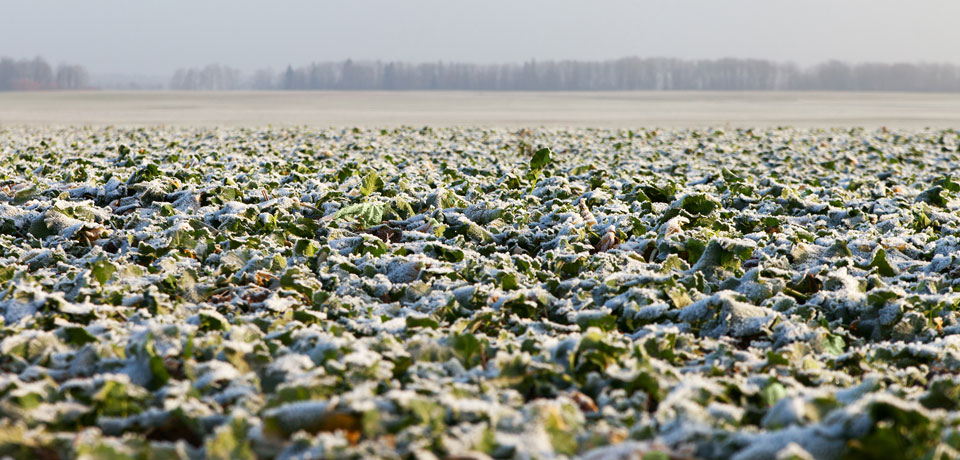
It’s a heartbreaker: your crop is seeded and emerging from the ground when frost descends.
Such was the case for many growers in western Canada last year when temperatures at the end of May and beginning of June dipped below zero.
With crops just emerging, discussions about reseeding were inevitable.
“A lot of guys were running around a couple of days after trying to figure out what’s going on,” said Jeff Henry, PAg., an agronomist with Prairie North Co-op in Naicam, Sask.
“For the most part, it turned out the guys that reseeded and the guys that didn’t, the crops kind of evened out.”
Patience is a virtue
As a grower’s most valuable — and vulnerable — crop, canola will garner most of your attention following a frost event. However, the full extent of damage won’t be apparent in the immediate aftermath.
Following an early season frost, you should wait three to four days before making your assessment. When you do get back into the field, you should look for:
- Wilted plants.
- Brown — and, in severe cases, blackened — leaves.
- Green growth at canola’s growing point, which indicates the plant is still growing.
“The biggest mistake is not looking at it very objectively,” said Henry. “When you see some damage, a lot of the time the urge is to do something about it, but with frost, most of the time just waiting it out is your best bet.”
Frost injury is rarely uniform across a field. The exposure length, as well as growing and field conditions, will vary, so take note of specific areas in your field and start taking plant density counts.
When to reseed
Your assessment should include approximately 20 plant counts throughout your field. While an average of seven to ten plants per square foot is ideal for canola, under good growing conditions plant stands as low as two or three plants per square foot are viable. Reseeding is only recommended when fields are completely lost.
Other factors influencing a grower’s decision to reseed:
- Soil moisture: Is there enough soil moisture to reseed?
- Time of year: Is it too late in the spring to reseed canola? Does it make economic sense to reseed to another crop type? Will fall frosts be the next problem to contend with?
- Weed and flea beetle pressure: A frost-bitten canola stand requires care and competition from weeds or insects is hard on the recovery process. Ensure good weed and insect control to give canola a fighting chance.
In 2015, Henry said canola did well in tilled fields where the warm soil protected seedlings, while fields with heavier crop residue were more severely affected. However, at the end of the season, he said most growers still saw an average to above-average crop.
“You’re probably going to take a bit of a yield penalty and it may take a little longer to mature and you have to babysit that crop a little more, but the majority of the time you’re better off leaving a crop that has frost damage unless it’s really severe,” said Henry.

Agronomist
Prairie North Co-op