


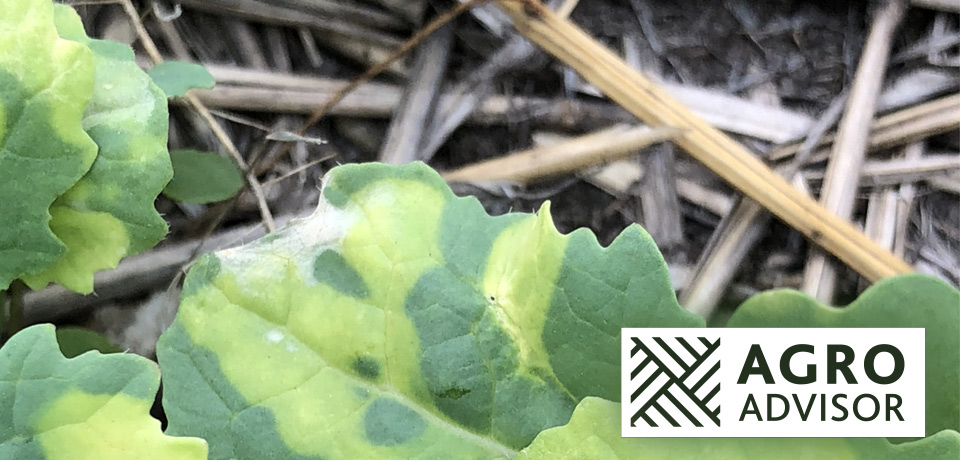
To answer a big challenge, it sometimes helps to get back to basics.
When it comes to herbicide resistance, that means re-familiarizing yourself with the different herbicide groups and their modes of action, as well as what to look for after each product is applied.
Knowing the ins and outs of Group 4s, Group 9s and other commonly used herbicides will help you build effective strategies for weed control, assess application efficacy and identify areas of concern.
“We talk about rotating groups and herbicide layering, but if you don’t understand the basics of what the herbicide groups are, you’re kind of putting the cart before the horse,” said Trish Meyers, PAg, CCA, Knowledge and Innovation Manager with Federated Co-operatives Limited.
In 2018, Meyers oversaw the Co-op Innovation Field Trial Xtreme outside Saskatoon, which featured a herbicide symptomology demonstration.
“Herbicide groups and recognizing their symptoms are the foundation of weed resistance mitigation,” said Meyers.
A closer look
In the herbicide demonstration, plots were seeded to oats and canola. When the plants were around the three- to four-leaf stage, they received applications from different commonly used herbicide groups.
The results, some of which are shown below, provided visitors with a clear view of the symptoms of each herbicide group.
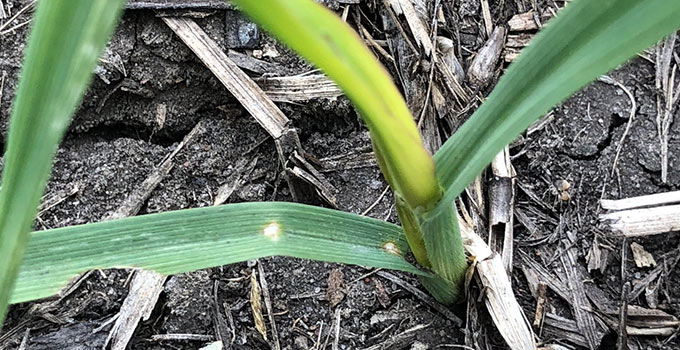
Group 1
Group 1 herbicides inhibit an enzyme that assists the formation of lipids in roots.
- Grasses will show symptoms in two to three days.
- Look for rotting growing point.
- Youngest leaves will begin to yellow first.
- Plant death in approximately two weeks.
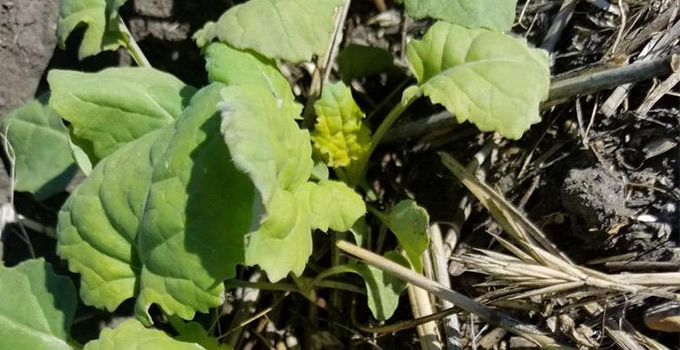
Group 2
Group 2 herbicides affect amino acid development, robbing weeds of essential proteins.
- Affects broadleaf weeds and grasses.
- Youngest leaves will yellow first.
- No new leaves should appear.
- Plant death in two weeks.
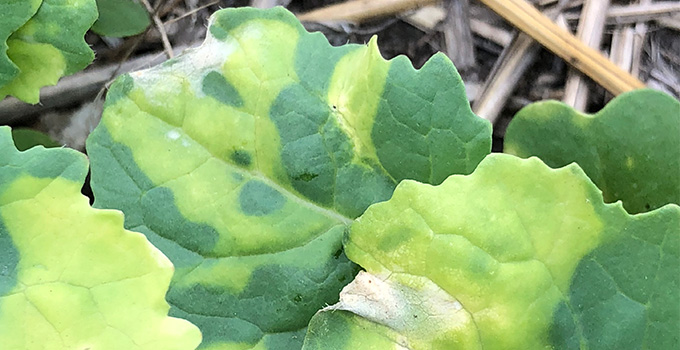
Group 6
Group 6 herbicides inhibit photosynthesis in target weeds.
- Contact herbicide will produce burning spots on leaves.
- If spray coverage is inadequate, new growth will occur.
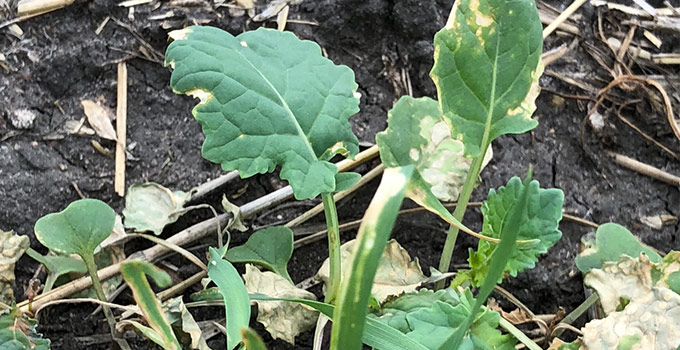
Group 14
Group 14 herbicides inhibit an enzyme that supports chlorophyll development.
- Plant tissues will be damaged and plants may show deformities.
Best management practices
Identifying the symptoms of herbicide groups in the field will assist post-application scouting, which Meyers said should be conducted in the weeks following every application.
If your target weeds aren’t showing symptoms, there are several potential issues that you may need to address, including herbicide resistance — a growing concern for growers across the Prairies
If you’re not sure what to look for, speak with your Co-op Grow Team agronomist, who can help you scout fields and make recommendations to keep hard-to-control weeds at bay and mitigate the spread of resistance.
“It’s about understanding the basics of herbicide groups and thinking about it when they’re choosing herbicides, making sure that your herbicides aren’t a choice based on just programming, but good agronomy,” said Meyers.