


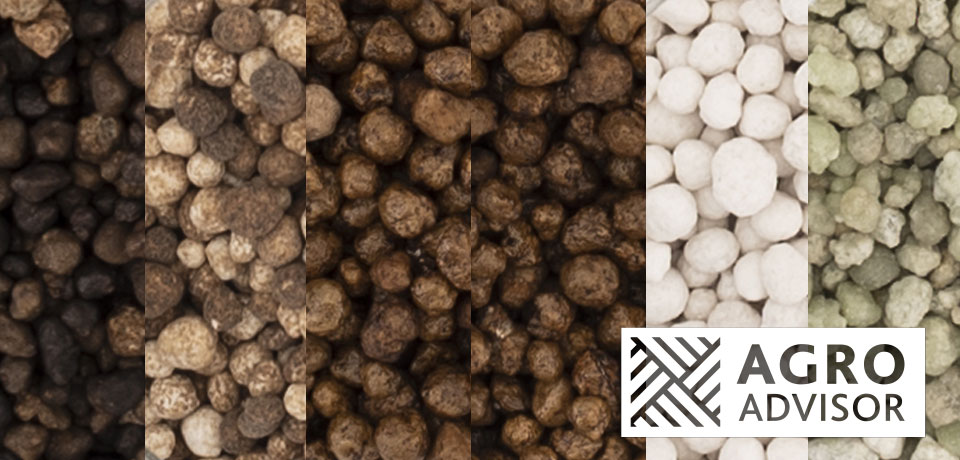
Until recent years, an estimated 55 per cent of Western Canada’s phosphate needs have been filled by Nutrien’s Redwater production facility located north of Edmonton. Since the Redwater plant’s closure, Co-op been working with other phosphate sources to meet your farm’s needs.
What does this mean for you?
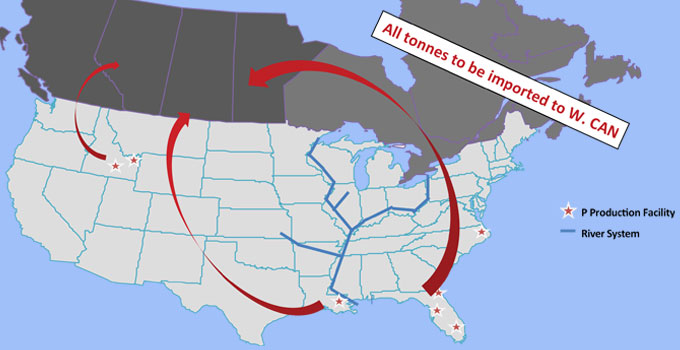
As a result of this shift, monoammonium phosphate (MAP) may look different than what you were used to as it will be sourced from numerous locations from around the world. Because all MAP will now either be imported from the United States or from overseas, it’s likely that you will start to see more co-mingled product as opposed to all product being from one production facility.
Common MAP sources will come from Idaho (green), North Carolina (black/brown), Russia (white/blonde), Morocco (brown) and Florida (brown). Regardless of the colour or source, MAP (11-52-0) will react similarly to the soil and provide the same level of plant nutrition.
Despite the different colours, all phosphate ore has been processed and refined using similar techniques. This consistency is what helps maintain the quality of the final product.
“Even though the phosphate rock is a different colour, it still goes through the same process to get it into the fertilizer form – no matter where it’s sourced from,” said Jack Payne, a Co-op Grow Team member. “Other than looking a little bit different, chemically and the way it reacts in the soil and the way the plant takes it up – it’s all the same.”
Why are there variations in the colour?
Many factors within the deposit and production methods influence the colour of MAP. These include, but are not limited to: deposit location, deposition method (igneous versus sedimentary), mineralogy of the deposit, geochemistry of the deposit, production method, sulphuric acid colours and colour additives used by manufacturers.
How will this impact your operation?
Ultimately, this shift won’t impact your operation. Co-op is committed to providing high-quality phosphate so that we can continue to serve our customers’ phosphate needs.
If you have any questions about MAP or would like additional information on how phosphate works in the soil to nourish a growing crop, please contact a member of your local Co-op Grow Team.